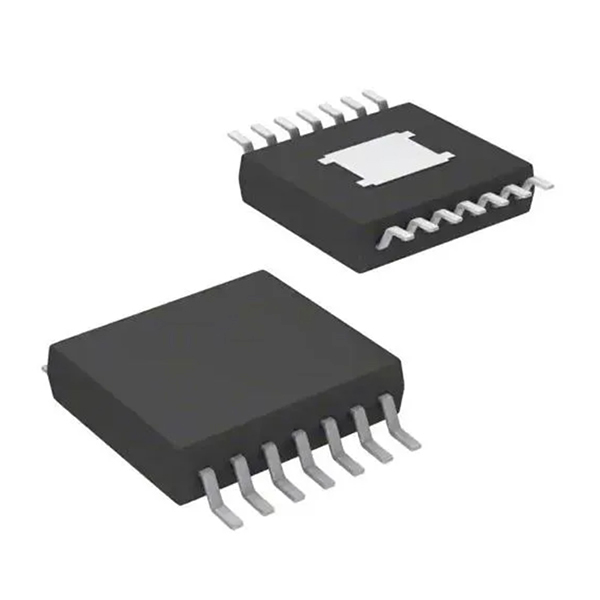
PMIC is the core "energy manager" of electronic devices, responsible for the conversion, distribution, monitoring, and protection of electrical energy. It is the key to achieving efficient, stable, and long-lasting operation of all electronic products.
Function:
1. Voltage Conversion
DC-DC converter (switching regulator): High efficiency (up to 95%+) boost and buck, providing power for high current modules such as CPU and GPU (such as Buck buck and Boost boost).
LDO (Linear Voltage Regulator): It outputs extremely low noise and high stable voltage, specifically designed for sensitive circuits such as RF, sensors, and audio.
2. Battery Management
Intelligent charging (constant current/constant voltage/trickle), remaining charge (SOC)/state of health (SOH) monitoring.
Multiple protections: overcharge, overdischarge, overcurrent, short circuit, and over temperature protection.
3. Intelligent allocation and energy conservation
Multi channel output: A single chip provides 3 to 8 different voltages, while also supplying power to the CPU, memory, and screen.
DVFS (Dynamic Voltage and Frequency Modulation): dynamically adjusts voltage with load to balance performance and power consumption.
Power Gate Control: Completely cut off the power supply of idle modules to reduce standby power consumption.
4. Timing and Monitoring
Control the power on/off sequence of each module to prevent system disorder.
Real time monitoring of voltage, current, and temperature, and protection system in case of abnormalities.
Typical Applications:
1. Consumer electronics (largest application market)
Smartphone: Core PMIC manages CPU, camera, screen power supply, controls fast charging and battery life.
Notebook/Tablet: Highly integrated PMIC is responsible for high current power supply and battery management.
TWS/Wearable: Ultra small, low-power PMIC enables charging and ultra long standby.
2. Automotive Electronics
New energy vehicles: BMS manages the power battery, and the auxiliary power supply supplies power to ECU and autonomous driving.
In car system: stable power supply for infotainment, headlights, and sensors (vehicle grade, -40 ℃~125 ℃).
3. Industry and Communication
Industrial automation: Isolation power supply and high reliability power supply for PLC, frequency converter, and sensors.
Communication base station: high current, high-efficiency power supply, ensuring stable operation 24/7.
4. Healthcare and IoT
Medical equipment: high precision, low noise, high reliability (monitor, diagnostic equipment).
Internet of Things: Ultra low static current (<1 µ A), supporting long-term battery/solar endurance.